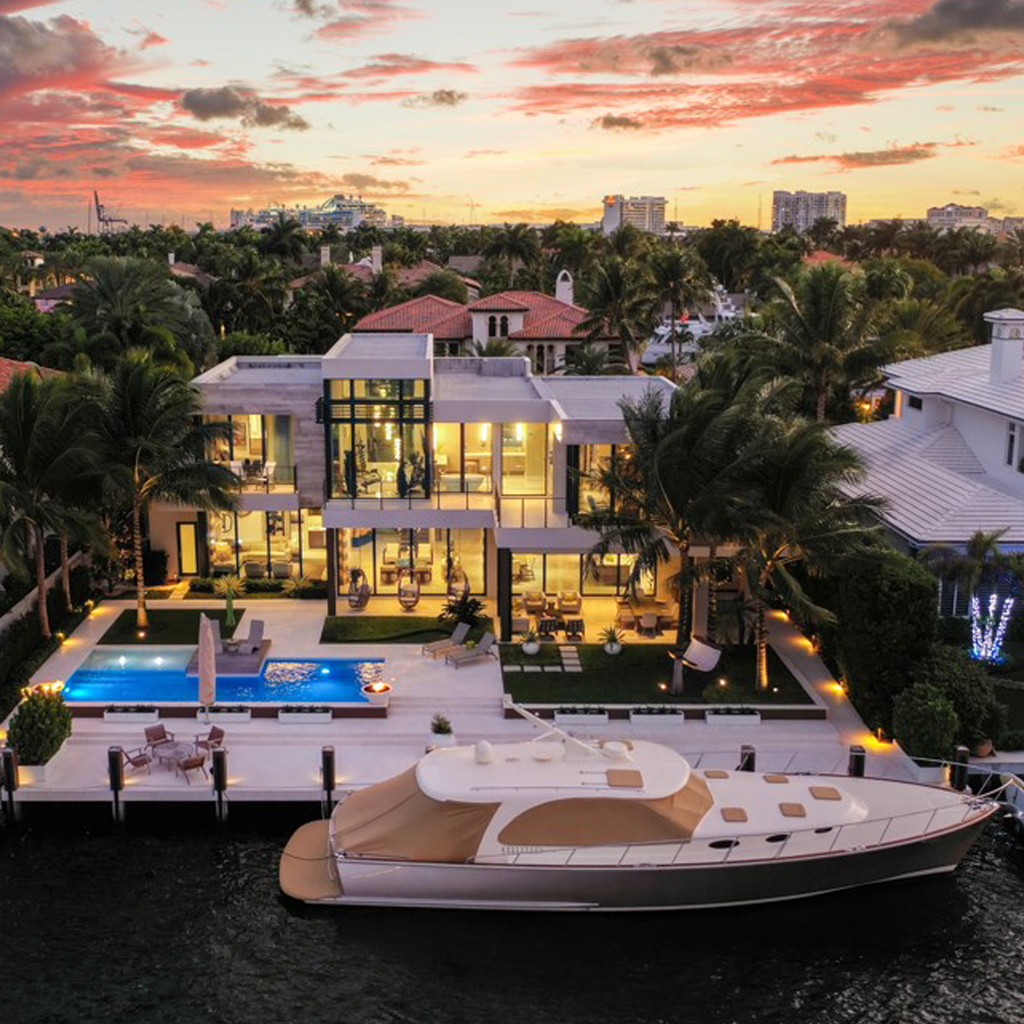
Italy, the homeland of history and culture, has long been recognised for its precious contributions to the world of luxury. From major fashion brands to exclusive automotive design, the Italian luxury heritage is vast and varied. But how did Italy become synonymous with the Luxury Goods Market? Let's explore the roots and journey of luxury goods in this fascinating country.
History and Roots of the Luxury Goods Market in Italy
- The dawn in Ancient Rome: Senators, emperors and the élite indulged in sumptuous banquets, wore refined fabrics and decorated their homes with mosaics and elegant paintings. Eastern silks, perfumes and jewellery were the hallmark of Roman opulence.
- The Renaissance: Birth of Artistic Luxury. Florence and Venice emerged as centres of art and luxury. Crafts such as goldsmithing, leather-working and textile production became highly sought-after. In this era, masters such as Da Vinci and Michelangelo elevated art to new luxurious heights.
- The Footsteps of Fashion: Milan, today the fashion capital of the world, began its journey in the late 19th century. Brands such as Gucci and Prada were born here, revolutionising the global fashion scene. In the 20th century, Italian fashion became synonymous with luxury, and the world looked to Milan for the latest trends.
- Automotive Elegance: Speaking of luxury, who can forget Italy's gift in terms of speed and style? Brands such as Ferrari, Lamborghini and Maserati represent the essence of luxury on wheels. Their legacy is founded on impeccable craftsmanship combined with unmatched performance.
- Culinary Delights: Italian cuisine, often imitated but never duplicated, is a luxury in its own right. The truffles of Alba, extra-virgin olive oil and the fine wines of Tuscany exemplify the luxury that Italian gastronomy brings to the table.
- Craftsmanship: A Legend of Luxury: Beyond the major brands, Italian artisans and master craftsmen contribute enormously to the luxury narrative. Whether it be handmade shoes in Le Marche or bespoke suits in Naples, the Italian commitment to quality is plain to see.
- Architecture and Interior Design: Italian architectural wonders, from the Colosseum to the modern villas overlooking the Amalfi Coast, highlight the nation's passion for luxurious living spaces. Italian marble, loved by élite interior designers, is a testament to this legacy.
- The Essence of Luxury Perfumes: Grasse may be the world capital of perfume, but Italy's role in luxury fragrances is undeniable. Brands such as Acqua di Parma capture the Italian essence, offering a sensory journey through its landscapes.
- Timeless Italian Jewellery: The splendour of Italian jewellery, with brands such as Bulgari and Buccellati, has enchanted nobility and celebrities alike. Italian jewellers, with their intricate designs, have defined luxury for centuries.
- Modern Italy: Epicentre of Global Luxury: Today, the Italian luxury market thrives, sustained by its rich history. From Milan Fashion Weeks to the Venice Film Festival, the world looks to Italy as the pinnacle of luxury experiences.
Distinctive features of the Italian luxury goods sector
A balance between tradition and innovation in the Luxury Goods Market
While brands such as Gucci, Prada and Ferragamo have roots going back decades (if not centuries), they continue to innovate each season, maintaining their relevance in the global market. This balance between respect for tradition and the adoption of new trends makes the Italian luxury sector unique.
The importance of craftsmanship
Manual skill, attention to detail and passion are the pillars of the Italian luxury sector. Unlike other countries, where mass production has eroded quality, Italy has skilfully maintained its commitment to quality craftsmanship.
The M&A Sector and Luxury Goods: An Essential Symbiosis
The reasons behind mergers and acquisitions
In an increasingly globalised and competitive Luxury Goods Market, companies are seeking to consolidate their position by acquiring smaller but significant brands or merging with industry giants to become even more powerful.
Risks and opportunities
As with any commercial operation, M&A deals also bring a range of risks with them. Mergers can lead to cultural clashes, while acquisitions may not deliver the expected return on investment. However, when executed correctly, these operations can lead to exponential growth and greater market penetration.
The role of the advisor brings together buyer and seller — if you want to know more
click here
Case Studies: Successful Mergers and Acquisitions in the Luxury Sector
LVMH's acquisition of Bulgari
In 2011, luxury giant LVMH acquired the Italian jeweller Bulgari for 4.3 billion euros, a move that strengthened LVMH's position in the high-end jewellery market.
The merger of Yoox and Net-a-Porter
In 2015, two luxury e-commerce giants, Yoox and Net-a-Porter, joined forces to create YNAP, becoming the undisputed leader in luxury e-commerce.
Future Outlook: Where is the M&A sector and the Luxury Goods Market heading?
Sustainability and social responsibility
With growing awareness of environmental and social issues, companies in the luxury sector are under pressure to become more sustainable. Future M&A deals may therefore focus on companies with solid sustainability credentials.
Technology and digitalisation
With the rise of e-commerce and the growing importance of technology, companies that are well-positioned digitally will become attractive M&A targets.
The world is rapidly moving towards an era of digitalisation, and every sector is undergoing a transformation. Business acquisitions, traditionally based on tangible assets and offline capabilities, are now increasingly influenced by a company's digital assets. How central is digitalisation in choosing a company to acquire?
Dive into this in-depth analysis to understand its impact and importance.
The Luxury Goods Market's Shift from Tangible to Intangible Assets
Before digitalisation dominated the business landscape, mergers and acquisitions were largely driven by physical assets such as real estate, machinery and raw materials. However, with the advent of e-commerce, online branding and digital operations, intangible assets such as digital platforms, software and online customer bases have become equally significant.
Digital Footprint as a Measure of Brand Strength
A strong online presence, characterised by a vibrant website, active social media channels and significant organic traffic, often indicates a brand's strength and dominance in the market. Buyers see a company's digital footprint as an indicator of its potential for future growth and sustainability.
Digital Integration and Operational Efficiency
An organisation's ability to integrate digital tools into its operations says a great deal about its efficiency. Automated processes, streamlined online communications and e-commerce capabilities make a company attractive for acquisition because of the promise of scalable growth with minimal operational obstacles.
The Value of Data in Decision-Making
In today's business landscape, data is gold. Companies that have invested in data analytics, customer relationship management systems and other data-collection tools present themselves as valuable entities. This data not only provides insights into consumer behaviour but also predicts market trends, giving buyers a competitive advantage.
E-Commerce Platforms: The New Revenue Generators
The rise of online shopping platforms has transformed the retail landscape. Companies with a solid e-commerce setup represent a steady revenue stream, reduced overheads and a vast customer base, making them prime targets for acquisition.
Digital Marketing Capabilities: Reaching a Global Audience
The power of digital marketing cannot be overstated. A company with proven digital marketing strategies demonstrates its ability to reach a global audience, thus opening the doors to vast market opportunities post-acquisition.
Cybersecurity and Digital Reliability
While digital assets are an advantage, they also present vulnerabilities. Buyers are very interested in a company's cybersecurity measures. A solid defence against cyber threats not only protects valuable data but also ensures customer trust, a crucial element in today's digital era.
The Role of Digital Innovation in Product Development
Companies that continually innovate using digital tools often lead their sectors. Their commitment to leveraging technology for product or service improvements makes them desirable for those seeking to acquire companies at the forefront of their industries.
Digital Training and Workforce Skills
A digitally competent workforce is an invaluable asset. Companies that have invested in training their employees in the latest digital tools and practices show a future-ready approach, making them more attractive to potential buyers.
Scalability through Digital Transformation
Digitalisation gives companies the ability to scale much more quickly. Platforms capable of handling increased traffic, automated processes that reduce manual intervention and digital outreach strategies make a company scalable and, therefore, a lucrative acquisition target.
In the ever-evolving business landscape, digitalisation has cemented its position as a critical determinant in acquisition decisions. Whether it is the appeal of a robust e-commerce platform, the promise of data-driven insights or the potential for scalable growth through digital integration, the influence of digital assets is undeniable. For companies seeking to be acquired, or those looking for promising businesses, understanding and harnessing the power of digitalisation is not just an option; it is an imperative.
Emerging markets
While Europe and America remain crucial markets, Asia, in particular China and India, represents a rapidly growing frontier for the luxury sector. Companies with a solid presence in these markets will be at the centre of future M&A deals.
In conclusion, the luxury goods sector in Italy is not only a pillar of the Italian economy but also represents a key element in the global M&A landscape. With its rich history, its dedication to craftsmanship and its ability to innovate, Italy will continue to be at the heart of the luxury world for decades to come.
Check out the ongoing deals in our
marketplace.